Previous Programs
PROJECTS IMPLEMENTED BY TIP OVER THE YEARS
TIP has since 2006 implemented the following projects:
- Hands across the border phase II: consolidating peace efforts in Teso and Karamoja: supported by GTZ from 2001 to 2002. This project brought Iteso and Karimojong to discuss the plight of cattle rustling and efforts for peace between the wo communities.
- Bridging the gap between the rustlers and the rustled funded by the German Development Service (ded) from 2005 to 2011: this project promoted joint actions for peace between the Iteso and Karimojong
- Capacity enhancement in conflict transformation for political party leaders in the Teso sub-region funded by Trocaire Ireland in 2010: this project brought together political party leaders in the sub-region to campaign for peaceful elections in 2011
- Peace Building in schools funded by Bread for the World from 2008 to 2010: this project championed the creation of peace clubs in schools and brought on board Iteso and Karimojong children to discuss peace for their future
- Peace building and conflict resolution in Lango sub-region financed by Welthungerhilfe: the project brought on board clan leaders to discuss peace in resettling communities following displacement by the LRA
- Training in Alternatives to Violence project funded by Asbeiter Samariterbund: this project trained agents to address the plight of Karimojong street children n major towns in central Uganda
- Enhancing the participation of men and women in peace building and accountable governance in Katakwi and Soroti districts: a project supported by Trocaire Ireland from 2011 to 2013. This project brought on board politicians and community leaders to discuss effective service delivery mechanisms and accountability
- Strengthening the participation of women and youth in peace building and conflict transformation in Amuria, Napak and Abim districts: a project financed by Diakonia Sweden from 2012 to 2014 and 2016 to 2018: This project worked with can and religious leaders and Parish Development Committees in addressing access to primary education and health care services.
- Enhancing the participation of clan and religious leaders in peace building and conflict transformation in Soroti district: a project financed by USAID SAFE in 2014: This project trained clan leaders to respond to land and domestic violence
- Promoting community participation in good governance and social accountability in Katakwi district: a project supported by Independent Development Fund (IDF) from 2015 to 2017. This was a good governance initiative to promo social accountability
- Enhancing customary land rights awareness and management in Soroti district through clan, religious and local council leaders: a project supported by Caritas Switzerland from 2014 to 2017 to train clan and religious leaders on how to jointly address land related violence
- Enhancing the participation of men and women in peace building and accountable governance in Katakwi and Soroti districts: financed by Trocaire in 2017
- Study on land conflict management in the Teso sub-region in 2017 financed by GIZ-Responsible Land Policy in Uganda: a comprehensive study on how formal and informal mechanisms operate in handing land violence
- Strengthening community land rights awareness and Alternative Dispute Resolution for voluntary land boundary demarcation in Katakwi district from 2018 to 2022. This was financed by GIZ-RELAPU; the project is addressing land violence and securing customary land rights for the future
- Peace Education in schools from 2021 to 2022 supported by GFA Consulting Group (co-financed by European Union). This project run in Kamuda, Gweri, Toroma and Omodoi sub-counties
- Land rights awareness for non-violent Dispute Resolution project supported by Agiamondo and is being implemented in Gweri and Aukot sub-counties of Soroti district. This project supported Village and Parish Dispute Resolution Committees to mediate land conflicts.
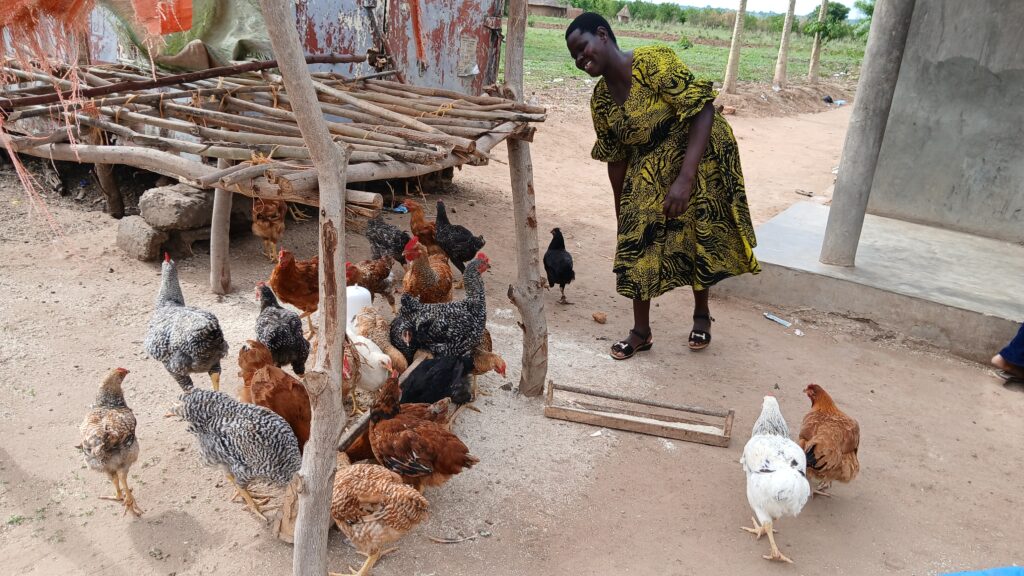
- Teso Livelihoods Support project (TELIS) in Soroti district financed by Caritas Switzerland running 2017 to 2021. The project trained 1,600 small holder farmers in climate smart agriculture, VSLA, collective marketing and entrepreneurship. It supported the farmers with various crop and tree seedlings, poultry vaccination kits,