Teso Initiative for Peace (TIP) is a membership organization formed to initially respond to the deprivations occasioned by violent cattle rustling and the Uganda People’s Army insurgency. The decision to start Teso Initiative for Peace took many protracted discussions which culminated in its registration as an NGO on the 21st day of September, 2001, a day that the United Nations resolution (A/RES/55/282) set aside as the International Day of Peace.
The initiators of Teso Initiative for Peace were motivated by the desire to stop violence (negative peace) first and justice later (positive peace). Their ideological rootedness in non-violence inspired the commencement of various consultative meetings on he themes: “Ekwaikisi ai” and “Ikokinio Ai”? (Ateso and Ngakarimojong for “What do we do?” respectively). Most of the the stakeholders involved understood peace as the “absence of war” and were therefore working to ensure that physical violence ended. Read more…
Our Approach
Aligning with SDGs, National and District Priorities
To keep within its complementary roles, TIP aligns its activities in line with the national and respective district development plans.
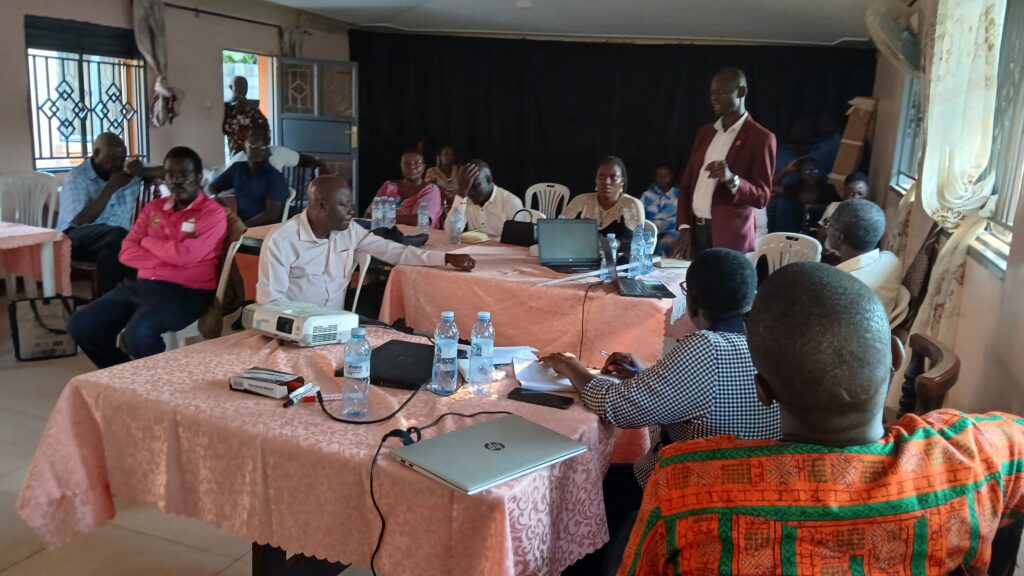
Partnership and Linkages
TIP closely works with relevant partners in generating and sharing knowledge for improved livelihood practices.
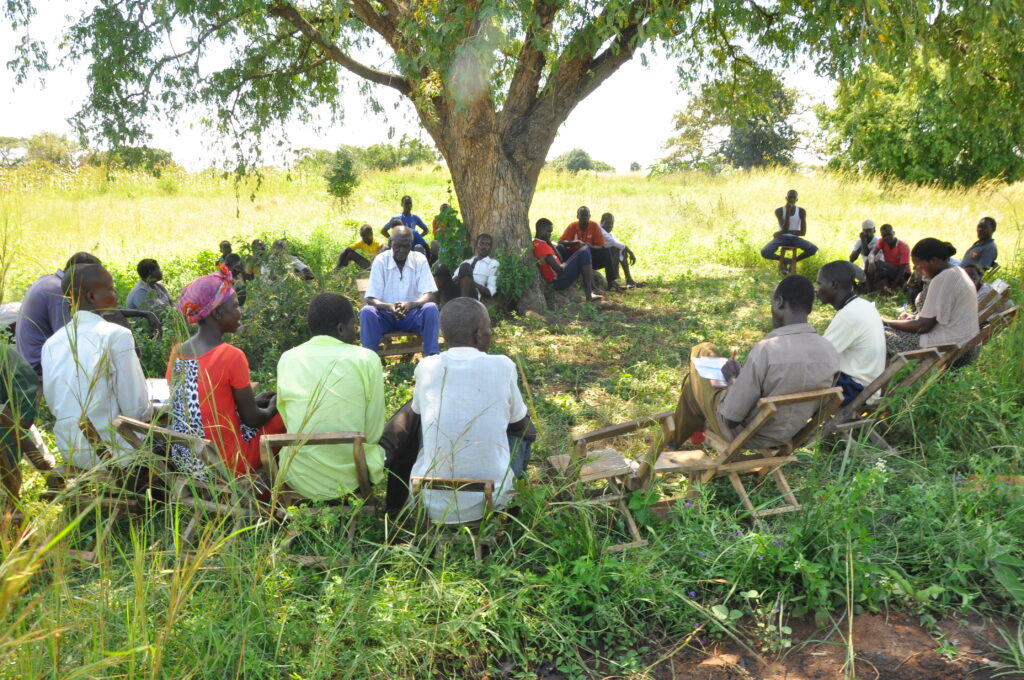
Working with community-based structures
TIP holds that for any change to be sustained; it is safer to foster it through organised, functional, proximate and accepted structures.
How it works
Intergrated Approach
TIP uses the integrated approach to enhance people’s participation in understanding and addressing their development challenges.
The VSLA model for collective action and risk pooling
By acting individually, many farmers fail to transform their livelihoods, gain access to business finance, and engage with their leaders.
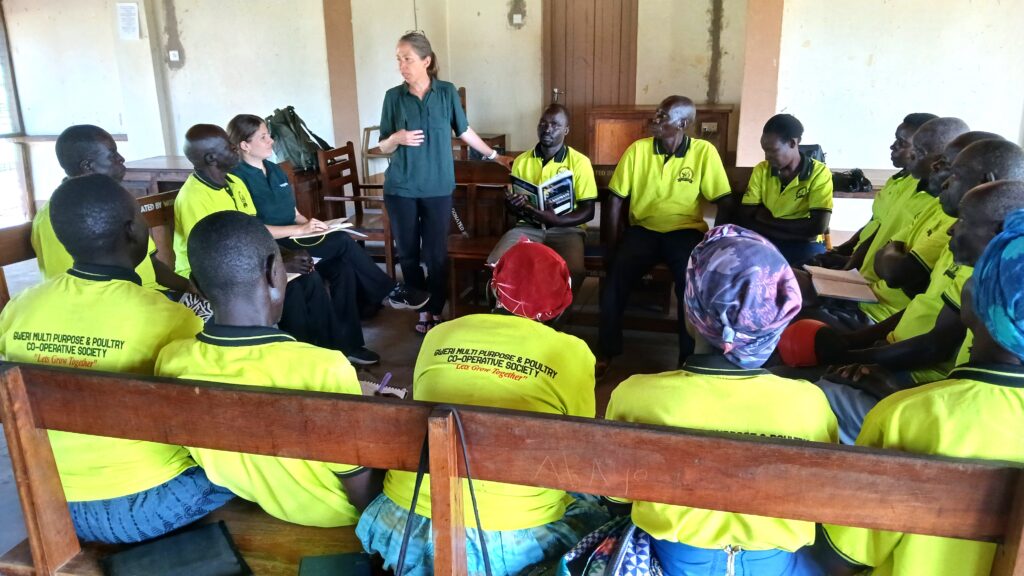
Community-based extension system for sustainable skilling and mentoring
TIP trains community-based resource persons in soft skills (collective marketing, village savings and lending, advocacy, poultry vaccination, agroforestry, etc.) with hard skills
Our Impact
TIP is transforming lives by turning challenges into measurable improvements in livelihoods, health, and peace. Across multiple districts and projects, it demonstrates clear gains in income, access to care, and community safety, with consistent results beyond isolated success stories.
Slab Covered Latrines
42.5%
Children Fed
1064
Average Household income
345696
Poultry Numbers Increased
5313
Increase in MAize Yield
1.4
Increase in Beans Yield
0.8
Access to Loans
62%
Average Monthly savings
28317
Partners & Supporters
TIP works with local communities, schools, VSLAs and partners to scale an integrated model that delivers measurable results across health, food security and education.